
HVAC Commissioning Management
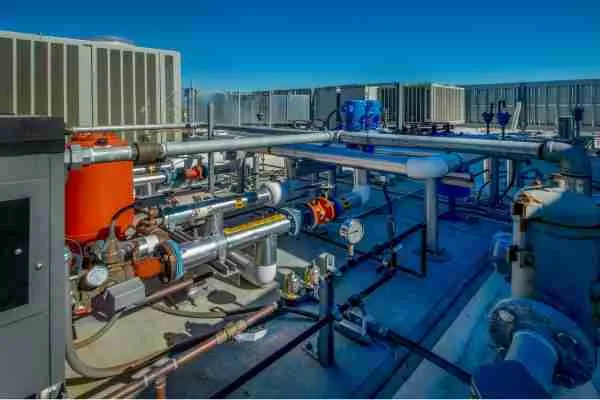
HVAC Testing, Adjusting, and Balancing (TAB) are the three major steps used to achieve proper operation of HVAC (heating, ventilation, and air conditioning) systems. The balancing of an HVAC system is usually based on the design flow values required by the Mechanical Engineer for a project. After testing, a written report is submitted that summarizes the testing and balancing and notes any deficiencies found during the TAB work.
HVAC Commissioning Management is the process of assuring that all systems and components of a building or industrial plant are designed, installed, tested, operated, and maintained according to the operational requirements of the owner or final client.
Commissioning is a quality process of checks and balances for ensuring building systems are designed, constructed, and operated for peak performance. The budget requirements of some projects will dictate that the owner can afford only basic functional testing. When this occurs, it can have an impact on building performance during design or early construction. Too often the commissioning team is only brought in at the end of the project for functional testing when it is much less cost-effective to make changes for operational efficiency.
Hospital Ventilation System Balancing
Ventilation and Testing Requirements for Healthy Hospitals A ventilation system is effective at reducing hospital infections. HVAC systems are built to keep the indoor air quality (IAQ) safe for patients. Because of the airflow standards, equipment must meet high ventilation rates and filtration requirements. "They include negative pressure in isolation rooms, positive pressure in operating rooms, positive pressure in protective environment rooms, and filtration requirements for all areas of the hospital".
What is Ventilation in a Healthcare Facility?
When we think of ventilation in general it is simply moving air from one location to another through duct work. Air is cleaned by filters and released into the space intended. When it comes to hospitals, we go a level deeper with specific rooms needing to be either positively or negatively pressurized with respect to adjacent areas.
The purpose of positive pressure is to ensure airborne pathogens do not contaminate a patient or equipment and supplies in that room. So extra air is pumped into these rooms to push contaminants away from entering. Negative pressure, sucking air out of the room, is used to pull any potential contaminants out of an area and exhaust them to the outside air. Negative room pressure is an isolation technique used in hospitals to prevent cross-contamination from room to room. How much air is exhausted and how much air is supplied, the area is considered either negative, neutral or positive.
- More air out, negative pressure
- Same air in and out, neutral
- More air in, positive pressure